Why Replace Missing Teeth?
When a tooth is lost, the surrounding teeth may gradually shift into the empty space. This movement can lead to bite problems, difficulty chewing, and changes in facial structure.
Replacing missing teeth with a dental bridge helps maintain proper alignment and restore normal chewing ability.
How Dental Bridges Work
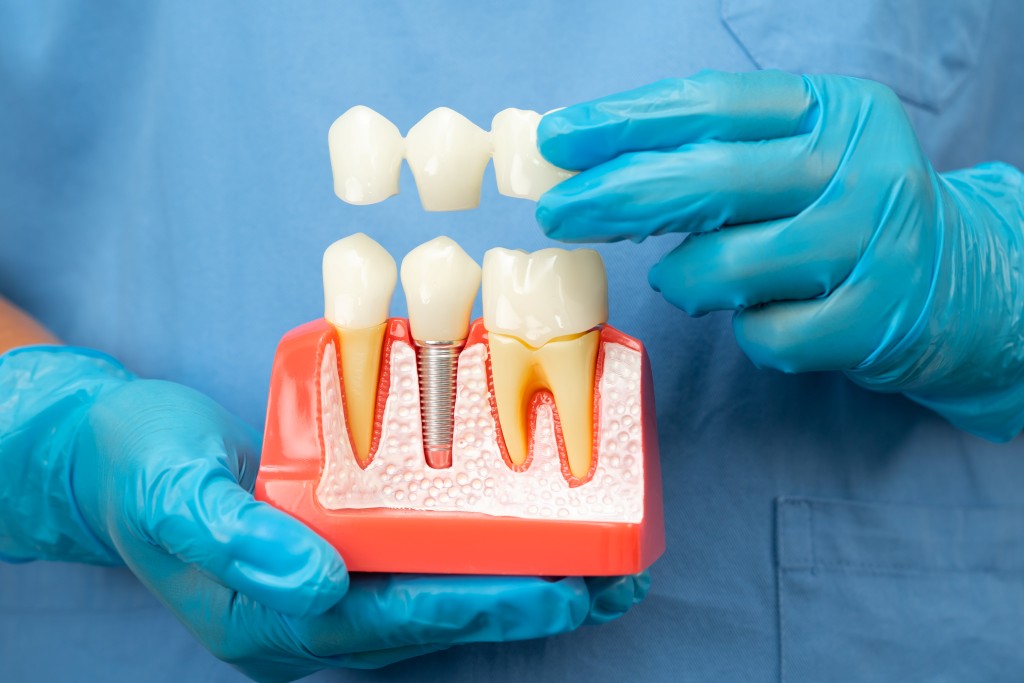
A traditional dental bridge consists of one or more artificial teeth supported by crowns placed on the adjacent teeth.
These crowns anchor the bridge securely in place, allowing the replacement tooth to fill the gap and restore function.
Bridges are custom designed to match the color and shape of your natural teeth for a seamless result.
Benefits of Dental Bridges
Dental bridges provide several advantages for patients with missing teeth:
- Restored ability to chew and speak properly
- Prevention of teeth shifting out of position
- Improved appearance and confidence
- Support for facial structure
- Long-lasting tooth replacement
With proper care, bridges can provide reliable results for many years.
The Bridge Procedure
Receiving a dental bridge typically involves two visits.
During the first visit, the supporting teeth are prepared and impressions are taken. A temporary restoration may be placed while the custom bridge is fabricated.
At the second visit, the final bridge is placed and adjusted for a comfortable fit.
Restore Your Smile
Dr. Jerell Wilson and Dr. Madelyn Wilson work closely with patients to restore both function and appearance after tooth loss.
If you are missing one or more teeth, a dental bridge may help restore your smile and improve your oral health.
Contact Wilson Family Dental in St. Charles, MO to learn more about dental bridges.